When humidity hovers high and mild winters rarely dip below comfortable levels, selecting the right heating and cooling system can feel like a balancing act. Heat pumps offer both cooling and supplemental warmth in one package, but they aren’t a one-size-fits-all solution for every homeowner.
How Heat Pumps Handle Florida’s Humidity
Florida’s muggy summers challenge any cooling system, and heat pumps face their own tests. These units draw heat from inside your home and dump it outside, but when outdoor humidity soars, their coils can struggle to shed moisture quickly. In practice, you might notice the indoor air still feels clammy if the heat pump runs nonstop without fully dehumidifying.
Modern models include variable-speed compressors that adjust their pace to remove moisture more steadily, rather than blasting cold air and leaving your skin feeling sticky. You may hear the system cycle at a lower speed for longer stretches, silently whisking away humidity while gently cooling. That constant operation helps maintain a balanced environment without the sharp swings you sometimes get with single-speed units. When evaluating a system, ask about its moisture-removal rate at high relative humidity. A model that moves more moisture per hour will keep your living room and bedrooms feeling fresher, even on the muggiest July afternoons.
Balancing Up-Front Costs and Monthly Bills
Installing a heat pump usually involves a bigger check than standard air conditioning since you’re buying a reversible compressor, extra controls, and sometimes new duct adapters. You can expect to pay more initially, but those dollars can be recouped over several seasons through lower electric usage. When you compare the price tag on the invoice to your average utility statement, you’ll see that efficient models push more heating or cooling per watt than resistive electric heaters or older split systems.
For many homeowners, the break-even point is around three to five years, depending on how often the system runs and what your local power rates are. If your bill increases significantly in winter or peaks in summer, a heat pump’s steady performance can smooth out those spikes. When you budget for a purchase, consider potential rebates and manufacturer incentives for ENERGY STAR–rated units, which further shrink your net investment and speed up the savings timeline.
Noise Levels and Where to Place the Outdoor Unit
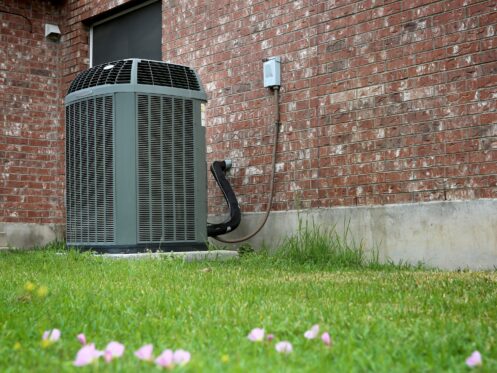
Every heat pump has an outdoor fan and compressor that generate sound, so where you put it matters for both performance and peace. Set the unit on a solid pad or a wall bracket and leave at least 2 feet of clearance on all sides to allow it to breathe freely. You’ll want to avoid placing it near your bedroom windows or the patio where you entertain, since the whirl and hum sounds can carry.
Some brands offer low-sound packages with variable-speed fans that ramp up gently and slow down when the load eases. During an inspection, your technician will measure the decibel level at the property line, ensuring it meets local ordinances. If you already have landscaping or a fence in place, they can suggest sound-dampening screens or louvered cabinets that cut noise without blocking airflow. A well-planned location keeps your outdoor space tranquil while allowing the heat pump to push out excess heat without overheating.
Comfort Beyond Just Heating and Cooling
Heat pumps don’t simply warm or chill air; they also regulate indoor moisture. In winter, they pull humidity out of the air as they heat, which can leave rooms feeling too dry if you’re used to steam-heated systems. In that case, pairing the pump with a whole-home humidifier restores balance so wood floors don’t squeak, and painted walls stay free of cracks.
During summer, the same system acts like a dehumidifier when it cools, squeezing water from the air before the supply vents deliver it back into the home. Many setups include smart thermostats that monitor both temperature and relative humidity, cycling auxiliary functions like the fan speed or integrated dehumidifier bucket to keep conditions within your chosen range. That nuanced control means you won’t have to choose between a chilly or sticky environment; you get a steady, pleasant atmosphere that feels right on your skin.
Electric Load and Backup Considerations
As you adopt a heat pump, your home’s electrical demand may rise, especially if you replace a gas furnace. Your service panel might need a larger breaker or an additional disconnect switch to handle the continuous draw.
A licensed electrician can inspect your meter and panel capacity, recommending an upgrade if you plan to run electric vehicle chargers, a spa, or high-wattage appliances alongside the heat pump. In areas prone to power outages, consider adding a small battery backup or generator connection, so your heat pump will continue to operate when the grid falters. Even a few hours without heating on a winter night can freeze exposed pipes. By planning early, you avoid rushed calls on storm days and keep your family comfortable.
Keeping Your Air Clean and Allergen-Free
Heat pumps sit at the center of your airflow system, circulating tens of thousands of cubic feet of air every day. That makes their filters vital for indoor air quality. Upgrading to a pleated or media filter rated MERV 11 or higher captures more dust, pollen, and pet dander than basic fiberglass pads. You might also install a UV-C light near the coil to prevent mold spores and bacteria from traveling through ductwork.
When your system runs regularly in mild Florida weather, it prevents particles from settling on surfaces, reducing dusting and minimizing allergy flares. Technicians replace the ultraviolet bulb and clean the coil annually as part of a maintenance plan. That proactive approach prevents buildup, so you spend more time enjoying a fresh, healthy home instead of chasing sniffles or wiping away film on furniture.
Selecting the Right Size and Model
A heat pump that’s too small will run constantly without reaching your setpoint, while one that’s too large will cycle on and off, wasting energy and stressing components. Professionals perform a load calculation, measuring your home’s square footage, ceiling height, insulation levels, window types, and orientation to the sun. They also factor in the number of occupants who live in the home and which appliances or electronics generate heat.
With those numbers, they select a unit with the proper capacity in British thermal units. For many Florida homes, a 2 to 1 ratio of cooling to heating capacity works best, given mild winters and hot summers. Once the right size is in place, they verify that the refrigerant charge and airflow match the manufacturer’s specifications that offer peak efficiency and consistent comfort.
Call Us To Learn More About Heat Pumps and Your Heating Options
Evaluating a heat pump involves looking at energy savings, noise levels, and compatibility with your home’s envelope. Carnley Services in Pensacola, FL, also installs ductless mini-splits and high-efficiency air handlers that seamlessly integrate with existing systems, providing enhanced comfort where it’s needed most.
Ready to explore whether a heat pump is right for your home? Contact Carnley Services today to schedule a personalized consultation.