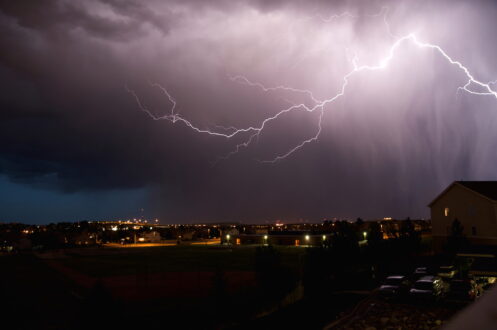
That strip of extra outlets on the floor near your desk or TV looks helpful, but not every one of these is keeping your electronics safe. Power strips mainly add convenience, while true surge protectors help defend your TVs, computers, chargers, and smart home gear from voltage spikes caused by storms, grid issues, or large appliances switching on and off. Knowing which is which matters if you want your devices to last and your wiring to stay safer. At Carnley Services in Pensacola, FL, we help homeowners distinguish real surge protection from simple extension hardware and design whole-home solutions that meet modern electrical needs.
What a Power Strip Really Does
A basic power strip is mostly about convenience. It gives you more outlets in one spot so that you can plug in a lamp, a charger, and a game console where you only had two receptacles before. Inside, it is usually just a set of outlets tied to one cord, sometimes with a simple switch and maybe a breaker that trips if you overload it.
That breaker protects the strip from too much total load. It does not shape what comes in from the utility or stop a sudden spike from riding straight through to your devices. Many strips look sturdy, have a heavy cord, and feel like they offer some kind of protection, which is where confusion starts. If that strip does not have proper surge protection components, it is only giving you extra plugs, not defense for your electronics.
What a Surge Protector Does Differently
A true surge protector is built to react when voltage jumps above a safe level. Inside, it has components designed to clamp that spike and send it away from connected devices, often to ground. That response does not make hits disappear, but it limits how much reaches your TV, router, or computer during a surge.
Some units include noise filtering that smooths small fluctuations for sensitive gear. Surge protectors are rated in joules, which describes how much surge energy they can absorb before they wear out, and in clamping voltage, which shows when they start to react. They do their work quietly and will wear down as they take hits. That is why a quality product will have status lights or indicators that tell you when protection is no longer active, even if the outlets still supply power.
How to Tell Which One You Have
Since many power strips and surge protectors look similar, the label matters. A real surge protector will say so on the packaging or housing and list ratings such as joules and voltage protection levels. It will also carry markings that show it meets recognized safety and surge standards, not just that it has many outlets.
A strip that only mentions amps, watts, or a basic reset switch without any surge ratings is usually just a splitter. If a device claims protection but offers no numbers, that should raise questions. Reliable surge products are specific about what they can handle. When in doubt, use power strips for low-value, low-sensitivity gear and save rated surge protectors for electronics that would hurt to replace.
Whole-Home Surge Protection Basics
Whole-home surge protection works at the source instead of just at the outlet. A device is installed at your main panel or service entrance to intercept large surges before they spread through your circuits. When a spike hits from outside, such as a nearby lightning event or a utility switching surge, that device reacts first and directs the excess away from branch circuits.
To do that job well, the device must match your service size, connect with proper conductors, and follow code and manufacturer instructions. Quality units are listed to recognized surge protection standards and offer clear ratings for maximum surge current. They are not a decoration on the panel. They are wired in with the same care as other protective devices, and they need enough space and correct grounding to function. A licensed electrician should choose and install this equipment so that it fits your system and passes inspection.
Outlet Surge Protectors With a Whole-Home Device
Once you have a whole-home protector in place, point-of-use surge strips still have a job. The electrical panel unit is your first line for large, broad events. Outlet-level surge protectors help guard against smaller spikes that start inside the house, like a failing motor or a device cycling. They also provide focused protection for specific items such as home theater setups, desktop computers, or networking gear. Think of it as layered protection.
The panel device catches the big hits before they travel through your wiring. The local surge protectors clean up what is left and guard sensitive electronics. Used together, they offer a stronger shield than either one alone. The important part is to use proper surge-rated devices at those outlets, not just any strip with extra plugs.
What Surge Protectors Do Not Do
Surge protection has limits, and it helps to know them. A protector does not fix wiring issues like loose neutrals, overloaded circuits, or worn outlets. It does not cover drops in voltage that cause dim lights or slow motors. It does not make backup power during an outage.
In very severe events, such as a direct lightning strike to the building, damage can still occur even with protection in place. Surge equipment is one part of a larger electrical safety plan that also includes proper grounding, updated panels, sound wiring, and correctly sized circuits. That is why a professional assessment matters. It connects surge protection choices to the rest of your electrical system so everything works together.
Whole-Home Surge Protection Requirements and Best Practices
Not every home electrical setup is the same, yet some basics usually apply. The device needs a solid connection to the panel and to the grounding system. Conductors should be short and straight so they do not slow down the path for surge energy. The equipment should match your service rating and be listed for the application.
Many modern codes and utility programs recommend or encourage surge protection for new builds and major service upgrades, especially where sensitive electronics are common. Communication lines, such as cable and data, may also need coordinated protection so surges do not sneak in through side paths. All of this calls for someone who works with code, service equipment, and manufacturer instructions every day, not a quick plug-in at random.
Smarter Protection for Your Home’s Power
Choosing between a power strip and a surge protector should come down to what you are plugging in, how valuable it is, and how stable your local power supply is. Surge protection can live at the outlet, at the panel, or both. It works best when it is selected and installed with your home’s layout and loads in mind. Our licensed electricians provide whole-home surge protector installation, outlet upgrades, dedicated circuits for heavy-use areas, and safety inspections. They catch worn cords, overloaded strips, and outdated wiring before they cause problems. If you want your devices protected instead of just connected, schedule a surge protection review with Carnley Services today.