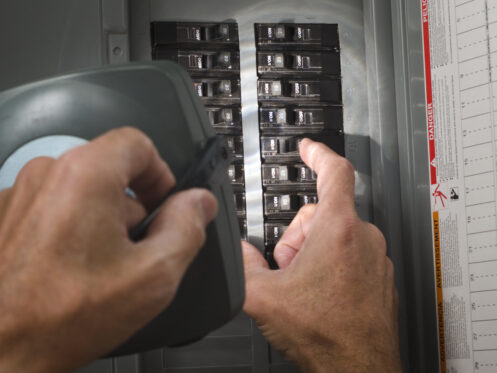
When the sweltering Pensacola heat is at its peak, the last thing you want is for your air conditioner to suddenly shut off. Finding yourself repeatedly walking to the electrical panel to reset a tripped breaker is a clear warning sign that your HVAC system has a problem. A circuit breaker is a safety device designed to protect your home’s electrical system and appliances from damage by cutting power when it detects an overload or fault. Ignoring this signal can lead to more severe equipment damage or even an electrical fire.
Understanding why your AC keeps tripping the breaker is the first step toward a reliable and safe solution. The issue could stem from a simple maintenance task you can perform yourself or a complex electrical problem that requires a professional technician.
Why Your AC Keeps Tripping the Circuit Breaker in Pensacola
In Pensacola, our air conditioners are put to the test nearly year-round. The combination of intense heat and persistent humidity forces these systems to work incredibly hard. When an AC unit runs, it draws a significant amount of electrical current.
The circuit breaker assigned to your HVAC system handles a specific electrical load. If the system pulls more amps than the breaker is designed for, it will trip to prevent the circuit from overheating.
A single, isolated trip might not be a cause for alarm. It could be a momentary power surge. However, if the breaker trips frequently, especially on the hottest days or right after the system kicks on, there is an underlying issue to diagnose and resolve. This persistent problem indicates that your AC is either working too hard, has a failing component, or is experiencing an electrical fault.
Common Causes of AC Breaker Trips
Several factors can cause your air conditioner to overload a circuit. Some are simple fixes, while others point to serious mechanical or electrical failures. Identifying the root cause is critical to restoring your cooling and ensuring your system’s safety.
Overworked System During Extreme Heat and Humidity
Florida’s climate is the ultimate endurance test for any AC unit. During a Pensacola summer heatwave, your system may run for hours on end just to maintain a comfortable indoor temperature. This continuous operation draws a consistently high level of power.
If your system is older, slightly undersized for your home, or hasn’t been maintained recently, this prolonged strain can be enough to push it beyond the breaker’s limit, causing a trip. The compressor, in particular, has to work much harder to cool your home when outside temperatures soar.
Dirty Air Filters Restricting Airflow
One of the most common and easily preventable causes of a tripped breaker is a clogged air filter. Your AC system relies on a steady flow of air moving across its indoor evaporator coil to absorb heat. When a dirty filter restricts this airflow, the coil can’t absorb heat efficiently.
This can cause the coil to get too cold and freeze over, forcing the compressor to work much harder and longer to cool your home. This increased effort leads to a higher electrical draw, which eventually overloads the circuit and trips the breaker.
Low Refrigerant or Leaks
Refrigerant is the vital substance that cycles through your AC system to transfer heat from inside your home to the outside. If the refrigerant level is low due to a leak, the system can’t cool effectively. It will run continuously, trying and failing to reach the temperature set on your thermostat.
This constant operation puts immense strain on the compressor and other components, causing them to overheat and pull excessive current. A tripping breaker is often one of the first signs of a refrigerant leak, which requires professional attention to locate and repair.
Electrical Issues or Loose Connections
The problem might not be with the cooling components but with the electrical system itself. Over time, wires can fray, connections can loosen, or critical parts like capacitors and contactors can fail. A failing run capacitor, for example, can prevent the compressor motor from running efficiently, causing it to draw too much power.
A short circuit caused by damaged wiring will cause an immediate and repeated breaker trip. These electrical issues are serious and pose a significant safety risk, requiring the expertise of a qualified technician to diagnose and repair safely.
Undersized Electrical Panel
In some cases, particularly in older Pensacola homes, the problem lies with the home’s main electrical panel. An air conditioner is one of the most power-hungry appliances in any home. If your electrical panel has a low amperage capacity, it may not be sufficient to handle the combined load of your AC and other appliances.
When the AC kicks on, the power surge can overload the entire system or the dedicated circuit. If you notice lights flickering when the AC starts or other circuits tripping simultaneously, it’s a strong indicator that you may need an electrical panel upgrade to meet your home’s modern power demands.
How Coastal Climate Conditions Contribute to AC Problems
Living in a beautiful coastal city like Pensacola comes with unique environmental challenges for HVAC systems. The salty, humid air is highly corrosive and can accelerate the wear and tear on your outdoor unit. Salt spray can corrode metal components, including condenser coils and electrical connections, leading to refrigerant leaks and electrical faults.
Furthermore, the high humidity forces your AC to perform two jobs: cooling the air and removing moisture from it. This dehumidification process requires extra energy, adding to the system’s overall workload. During periods of extreme humidity, this additional strain can be the tipping point that causes an already stressed system to overload its circuit.
Is It Safe to Keep Resetting Your Breaker?
It is never a good idea to repeatedly reset a tripped circuit breaker. While resetting it once to see if the problem was a temporary glitch is okay, you shouldn’t continue to flip the switch if it trips again.
Continuously forcing power to a malfunctioning system can cause the compressor to burn out, damage the wiring, or even cause the breaker itself to fail, creating a potential fire hazard. If the breaker trips more than once, the safest course of action is to leave the breaker in the “off” position and call a professional for help.
How Professional Service Helps Prevent Electrical Failures
When your AC is tripping the breaker, professional diagnosis is the fastest and safest way to find a solution. Our comprehensive air conditioning repair services address the root of the problem, not just the symptom. Regular preventative maintenance is also key. During a tune-up, our technicians clean components, tighten electrical connections, check refrigerant levels, and test system performance to catch potential issues before they lead to a system breakdown and a constantly tripping breaker.
Get Reliable Cooling Without Constant Breaker Trips
Instead of battling with your electrical panel, let the experts at Carnley Services provide a lasting solution. As a full-service HVAC and electrical provider, we understand the unique challenges of keeping Pensacola homes cool and safe.
Don’t let electrical issues compromise your comfort or your safety. From wires to air, we’re always there. Contact Carnley Services today to schedule HVAC service and restore reliable, powerful cooling to your Pensacola home.
FAQs
Extreme heat forces your AC to work harder and draw maximum power. Weak or dirty components can exceed the breaker’s limit, leading to trips.
Yes. High humidity forces your AC to work harder to remove moisture. This increases its workload and energy use, contributing to breaker trips, especially with high heat.
Yes. If the breaker trips more than once, turn it off and leave it off. Resetting it repeatedly risks severe AC damage or a fire. It needs immediate professional inspection.