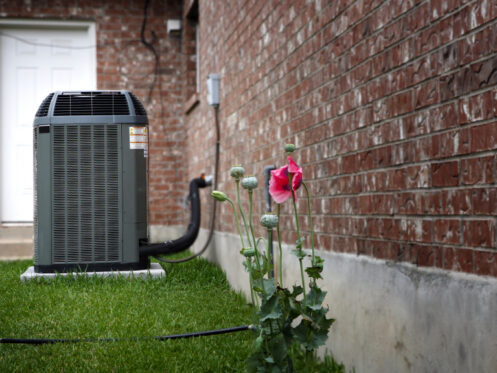
If your air conditioner turns on for a few minutes, shuts off, and then repeats the process, it is experiencing a common problem known as short cycling. While this might seem like a minor annoyance, rapid cycling is a serious symptom of an underlying issue with your cooling system. Ignoring it, especially during a Pensacola summer, can lead to much bigger problems.
Short cycling can increase your energy bills, reduce home comfort, and place added stress on your AC’s components. This accelerated wear can cause a complete system failure, often when you need cool air the most. Some causes are simple, like a clogged air filter, but others involve complex issues that require professional attention. Understanding the common causes and warning signs is key to knowing why you should never ignore a short-cycling AC during our hot and humid summers.
What Is AC Short Cycling?
AC short cycling is when your air conditioner’s cooling cycle is cut short. A properly functioning system should run for a longer, consistent period to effectively cool your home and remove humidity. When it short cycles, it shuts down before this process is complete, only to start up again a few minutes later.
Homeowners typically notice a few key signs of this problem. The most obvious is the frequent starting and stopping of the outdoor unit. Inside, you may notice uneven cooling, with some rooms feeling warm while others are chilly. Your energy bills might also be higher than usual, and the system may struggle to reach the temperature set on your thermostat.
An AC system is designed to operate in complete cycles to run efficiently and effectively. Short cycling is not the root problem itself but rather a clear symptom that something else is wrong within the system, preventing it from functioning as it should.
Why Is Short Cycling a Bigger Problem During Summer?
The intense heat and humidity of a Pensacola summer place a heavy demand on any air conditioner. When short cycling occurs under these conditions, the problem becomes much more critical. The constant starting and stopping of the system create far more stress on its internal components than continuous operation does.
This added strain increases wear on crucial parts like the compressor, which is the heart of your AC. The risks compound quickly in hot weather, leading to reduced efficiency, even higher utility costs, and a much greater potential for a sudden breakdown. Waiting to address short cycling often means a simple repair can escalate into a more complex and expensive one, potentially leaving you without air conditioning during the hottest days of the year.
Can Short Cycling Cause Your AC to Fail Completely?
Yes, continued short cycling can lead to a complete system failure. Each time your AC starts, it draws a large amount of electricity, placing significant strain on the compressor, capacitors, and fan motors. When this happens every few minutes instead of a few times an hour, the wear and tear accelerate dramatically. Eventually, one of these vital components can burn out, leading to a major repair or even the need for a full system replacement.
Is Your Thermostat Causing the Problem?
Sometimes, the cause of short cycling is not the AC unit itself but the thermostat that controls it. If the thermostat provides inaccurate temperature readings, it can signal the system to turn on and off at the wrong times. There are several reasons this might happen.
A common issue is incorrect placement. If your thermostat is located in direct sunlight, near a heat-producing appliance, or right below an air vent, it will misread your home’s actual temperature. Other potential causes include calibration issues, faulty wiring, or a malfunctioning internal sensor. An inaccurate thermostat can confuse your AC, leading to the rapid cycling you are experiencing.
Could a Dirty Air Filter Be Restricting Airflow?
One of the most frequent and easily addressed causes of short cycling is a dirty air filter. Your AC system relies on a constant, steady flow of air to function correctly. When the filter becomes clogged with dust, dirt, and debris, it restricts this airflow, forcing the system to work much harder.
This restriction can cause the system to overheat or the indoor evaporator coils to freeze over, both of which can trigger a safety switch that shuts the unit down prematurely. Regular filter changes are a critical part of routine maintenance, especially during a Pensacola summer when dust and pollen are prevalent.
- Visibly gray or dirty filter
- Dust on vents and registers
- Unusually dusty home
- Weak airflow from vents
How Refrigerant Problems Can Lead to Short Cycling
Refrigerant is the substance that allows your air conditioner to absorb heat from inside your home and release it outside. If the refrigerant level is too low, often due to a leak, the system cannot cool effectively. This can cause the pressure within the system to drop, which may trigger a low-pressure switch and shut the unit down. The pressure then builds back up, and the cycle repeats.
Signs of a refrigerant issue include reduced cooling performance, ice or frost building up on the refrigerant lines, and a hissing sound near the unit. It is important to remember that refrigerant does not get “used up” like fuel. If the level is low, it means there is a leak somewhere in the system that needs to be located and repaired by a professional technician.
Why Refrigerant Leaks Get Worse Over Time
A small refrigerant leak may not seem urgent, but it can worsen over time if ignored. The constant pressure changes within the system can cause a tiny pinhole leak to expand over time. Delaying the repair not only leads to higher repair costs but also forces your AC to run inefficiently, shortening its overall lifespan.
Is Your AC System Oversized?
While it might sound counterintuitive, an air conditioner that is too large for your home can be just as problematic as one that is too small. An oversized system will cool the space too quickly, hitting the thermostat’s target temperature in just a few minutes and shutting down. This prevents the system from running long enough to effectively remove humidity from the air, leaving your home feeling cool but clammy.
This rapid cooling and shutdown process is a form of short cycling. It results in poor humidity control, uneven temperatures, and unnecessary wear and tear on the equipment. When it comes to cooling systems, bigger is not always better; proper sizing is key to performance and efficiency.
Electrical Problems That Can Cause Rapid Cycling
Several electrical issues can also be the culprit behind short cycling. Components like capacitors, which help the motors start and run, can weaken over time. A failing contactor, which is a type of switch, or loose wiring can interrupt the flow of power. In some cases, the problem may lie with the system’s main control board.
These electrical problems often worsen if not addressed promptly and can pose a safety risk. Warning signs may include clicking noises when the unit tries to start, intermittent operation, or frequent breaker trips. Due to the dangers involved, any suspected electrical issue should be diagnosed by a qualified professional.
How Short Cycling Affects Energy Bills and Comfort
Beyond the risk of a system breakdown, short cycling directly impacts your wallet and your comfort. The start-up phase of a cooling cycle consumes the most energy. When your system is starting and stopping every few minutes, it uses significantly more electricity than it would during normal, longer cycles. This inefficiency is reflected in higher monthly utility bills.
From a comfort perspective, short cycling prevents your AC from doing its job correctly. You will likely experience uneven cooling with hot spots throughout your home. More importantly, the system does not run long enough to dehumidify the air, leaving you with a sticky, humid indoor environment even if the temperature is low.
What Homeowners Can Check Before Calling for Repair
While most causes of short cycling require professional service, there are a few things you can safely check yourself. These simple steps can sometimes resolve the issue or help you provide valuable information to your service technician.
- Dirty or clogged air filter
- Incorrect thermostat settings or old batteries
- Closed or blocked air vents
- Ice on outdoor unit refrigerant lines
- Frequency of system cycling
Avoid any troubleshooting that involves opening electrical panels or handling refrigerant. These tasks are best left to trained professionals to ensure your safety and prevent further damage to the system.
When Should You Call for Emergency AC Service?
Certain symptoms indicate that short cycling is a serious issue that requires prompt attention. If your AC is cycling every few minutes, is blowing warm air, or has visible ice on the lines, it is time to call for help. Other urgent signs include strange electrical odors, the system shutting down entirely, or repeatedly tripping a circuit breaker.
During the peak of a Pensacola summer, a short-cycling AC can quickly escalate from an inconvenience to a complete loss of cooling. Prompt professional diagnosis can help prevent a small problem from turning into a major, costly AC repair.
How Can You Stop Short Cycling Before It Leads to a Breakdown?
The best way to handle short cycling is to address it as soon as you notice it. Do not wait for your air conditioner to fail completely. Early diagnosis from a trusted professional can often prevent additional wear on your system, keep your utility bills in check, and help you avoid a much larger repair bill down the road.
If your air conditioner is turning on and off repeatedly, don’t let the problem get worse. For expert AC diagnostics and repair in the Pensacola area, contact the team at Carnley Services. We offer free estimates and can help you get your system running reliably again.